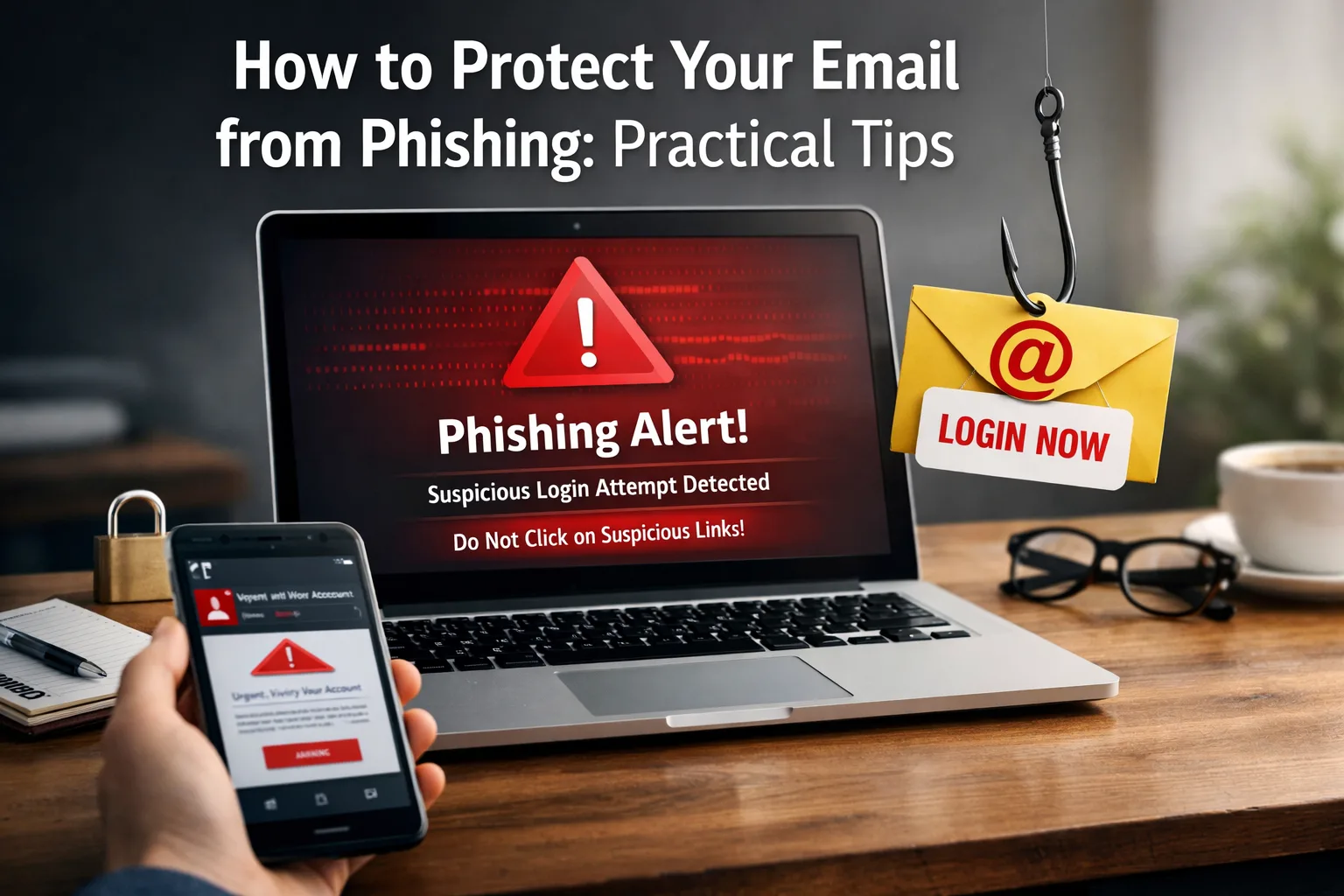
Email remains one of the most widely used communication tools, but its popularity also increases the risk of phishing attacks. Phishing is a method where cybercriminals attempt to obtain sensitive information by impersonating trustworthy sources. In this article, we will discuss how to protect your email from phishing, offering practical advice and recommendations to help you avoid dangerous situations.
Business email security Important Note: Regularly review your email security settings to prevent phishing attacks. What is phishing in simple terms? Phishing is a form of fraud that employs emails or websites to trick individuals into revealing their personal information, such as passwords or payment details.
What is phishing in simple terms?
Phishing is a form of fraud that employs emails or websites to trick individuals into revealing their personal information, such as passwords or payment details. Cybercriminals typically disguise themselves as well-known companies or services to gain the trust of their victims. This can be particularly dangerous, as many people are unaware of the risks associated with such attacks.
How does phishing manifest in real life?
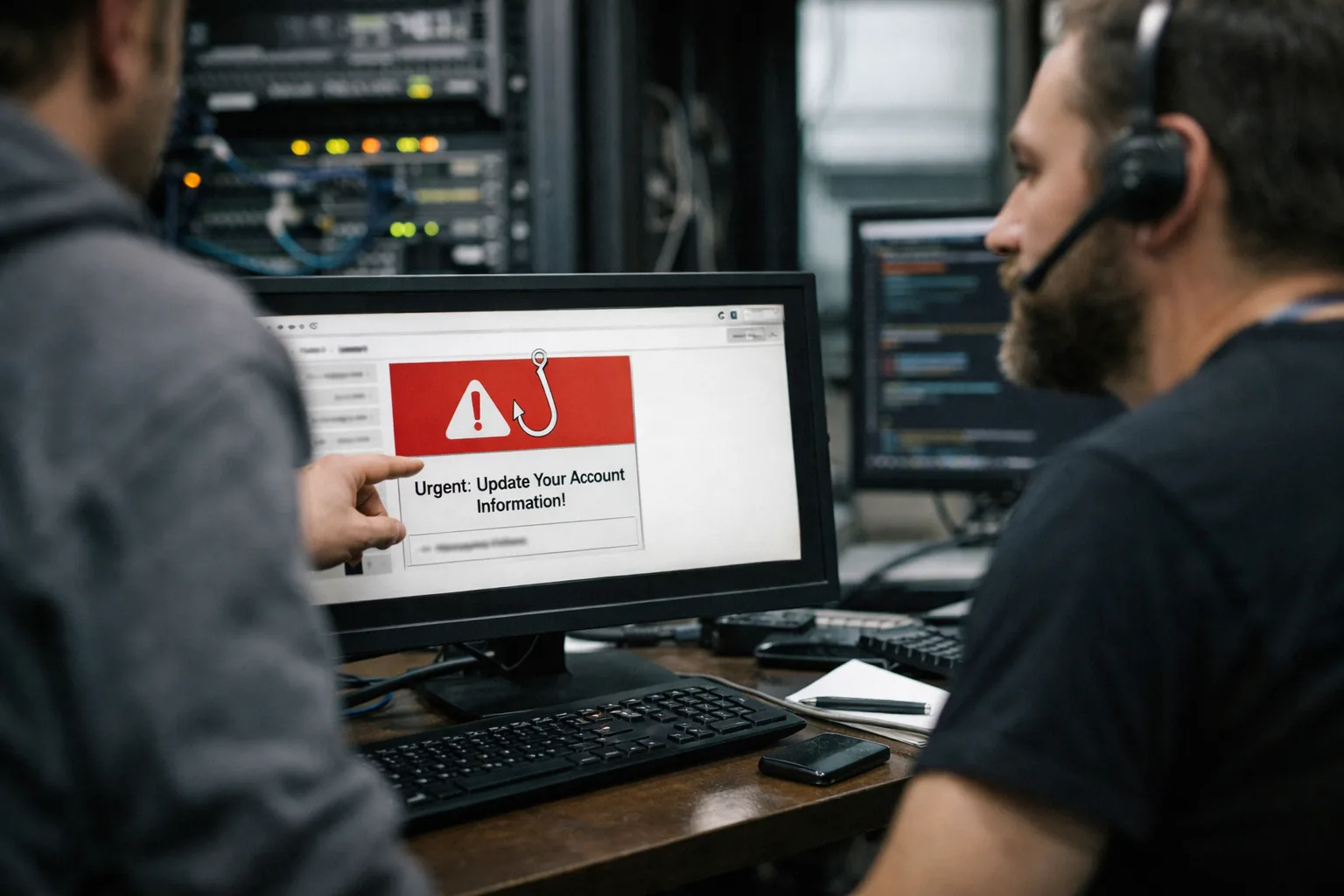
Phishing attacks can take various forms, and it’s essential to know how to recognize them. Here are a few examples:
- Emails: You might receive an email stating that your account has been locked and you need to provide your information to regain access. These emails often contain links to fraudulent websites designed to steal your credentials.
- Fake websites: Cybercriminals create sites that mimic banks or popular services to capture your login credentials. These sites can appear completely legitimate, making vigilance crucial.
- SMS phishing: You may receive a text message with a link to a fake site. Such messages often include urgent requests for action that may prompt you to respond quickly without thinking.
Why does this happen or what contributes to it?
Phishing is becoming increasingly prevalent for several reasons:
- Ease of execution: Cybercriminals can easily create fake emails and websites. Modern technology allows them to imitate legitimate companies with high accuracy, making detection challenging.
- Social engineering: Many people are unaware of the dangers and trust familiar brands, making them vulnerable to manipulation. Cybercriminals exploit this trust to deceive individuals into providing sensitive information.
- Weak passwords: Using simple passwords makes accounts easy targets for hacking. Often, individuals use the same passwords across multiple services, increasing their risk significantly.
Common mistakes or self-destructive reactions
People often make several common mistakes that can worsen the situation:
- Lack of source verification: By not checking the sender's address, you may fall for a fake email. Always pay attention to the details, as even slight discrepancies can indicate fraud.
- Ignoring suspicious signs: If an email looks suspicious, it’s best not to open it. Cybercriminals frequently use subject lines that create a sense of urgency, tricking you into acting quickly without due diligence.
- Using the same passwords: This makes your accounts vulnerable to attacks. If one of your accounts is compromised, cybercriminals may try to access others using the same credentials, leading to widespread breaches.
What actually helps in practice?
Here are some practical steps to protect your email from phishing attacks:
- Use two-factor authentication: This adds an extra layer of security when logging into your account. Even if a cybercriminal obtains your password, they won’t be able to access your account without the second factor, such as a code sent to your mobile device.
- Regularly update passwords: Use complex passwords and change them every few months. This makes it harder for anyone to access your accounts, especially if they manage to obtain your login information.
- Learn to recognize phishing attacks: Familiarize yourself with the signs of phishing emails. The more you know, the less likely you are to become a victim. Look for poor grammar, generic greetings, and suspicious links.
- Check URLs: Always verify website addresses before entering personal information. Legitimate bank sites always start with "https://" and may display a padlock icon in the address bar, indicating a secure connection.
- Install antivirus software: This can help detect malware and threats. Regularly update it for maximum effectiveness and run periodic scans to ensure your system remains secure.
Conclusion or key advice
Protecting your email from phishing is a crucial aspect of security in today’s digital world. By following simple guidelines and staying vigilant, you can significantly reduce the risk of falling victim to fraudsters. Remember to regularly monitor your security settings and educate yourself on recognizing potential threats. Your caution and awareness can be your best defenses against phishing attacks.
When to involve security or IT support
Security support becomes important when suspicious signals repeat, affect delivery, or touch accounts, domains, sites, or customer trust.
- spoofing, phishing, spam spikes, or login alerts keep recurring
- mail delivery, domain reputation, or site availability is affected
- logs show unknown devices, unexpected forwarding rules, or suspicious DNS changes
- the issue may involve customer data, credentials, payments, or production systems
If credentials, customer data, or production infrastructure may be exposed, escalate immediately and preserve logs before changing evidence.