01
Route planning
The day's deliveries split between vehicles in minutes.
- Automatic routes for the whole fleet
- Vehicle capacity and time windows
- Traffic and re-planning during the day
- Fuel and kilometre reports
For companies that deliver with their own vehicles: automatic route planning, vehicle and driver schedules, a driver app with proof of delivery, and a warehouse that loads in the right order.
How it looks after implementation
LIVEDemo feed with example events
15 min
to plan the day for the whole fleet
1
screen with every vehicle on the map
±30 min
delivery window the client sees
Photo + signature
proof of every delivery
Move the sliders. Routes planned by hand usually carry 10–20% extra kilometres that nobody notices.
− 2 475
km a month less
Saved per month
+ €743
€8 910 per year
and about 17 h of dispatcher time a month
Counted for 22 working days, 15% fewer kilometres with optimised routes and about 45 minutes of manual planning a day saved.
The day's deliveries split between vehicles in minutes.
Every stop confirmed, every client informed.
Always know what you have and where it is.
! “Planning routes takes the dispatcher half a morning”
How we solve it · Route planning
Orders for the day are split between vehicles automatically, with capacity, time windows and traffic in mind. The dispatcher only checks and approves.
! “Vans drive half empty and cross each other's routes”
How we solve it · Route planning
Optimised routes cut empty kilometres and fuel, and one vehicle often covers what used to take two.
! “Clients keep calling: when will the driver come?”
How we solve it · Drivers & proof of delivery
The client gets a time window and a live link to the vehicle. The driver's app marks every stop with a photo and signature.
! “Vans are loaded in the wrong order, and the driver digs through boxes at every stop”
How we solve it · Warehouse & stock
The warehouse gets a loading list in reverse stop order, and every box is scanned onto the right vehicle.
You describe the task, we ask the right questions and suggest a solution.
We look at what you have and propose a plan with a clear estimate.
We work in short stages and show the result after each one.
We stay in touch, monitor and improve after launch.
Result
We work so that you feel calm about your business, not just so that the task gets closed.
You talk to the person who does your task, with no call centres or middlemen. Ask anything, even the “simple” questions.
We explain what we do and why, so you always understand what you are paying for and what you get.
Price and deadline are agreed before we start. If something changes, you hear it from us first, before any extra cost.
We don't disappear after handover: we watch that everything works, answer questions and improve things as your business grows.
Every task gets a fixed quote. Prefer hourly? Then you always know what an hour of support costs.
One hour of support
16 €11 €−31%per hour, excl. VAT (EU: reverse charge)
Your rate is locked for all of 2027 — if you start working with us by 31 December 2026.
Even with two or three vans, planning takes minutes instead of an hour, and the saved kilometres usually cover the cost within a few months.
No. The app runs on an ordinary phone: route, navigation, photo, signature and the client's phone number in one place.
Yes. Orders come from your CRM, store or accounting, the warehouse gets the loading lists, and delivery statuses go back automatically.
We connect carriers too: DHL, UPS, GLS, DPD and local ones. Labels and tracking come from the same screen as your own routes.
Scan mismatch: order 1182, item B-04-2
Shelf addresses, scanning on receiving and picking, stock that matches reality and an inventory count in hours instead of days.
€1 100from €770−30%
3 000SKUs with an address
Read the caseOrders turn into routes automatically, drivers see their stops in an app, clients get an SMS with the time window, and proof of delivery is a photo and signature.
€1 450from €990−32%
6vans in one plan
Read the case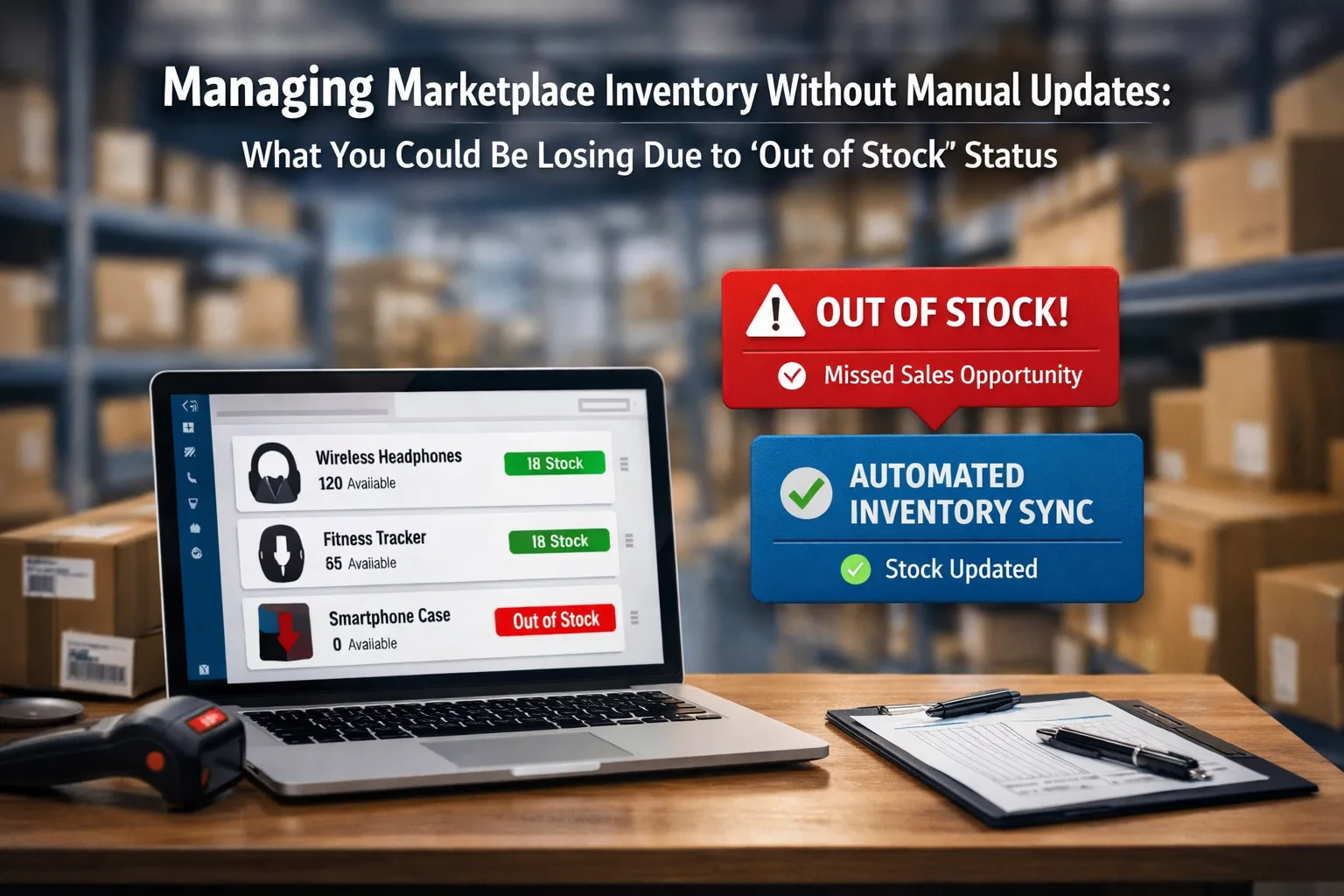
Exploring how automating inventory management on marketplaces can reduce losses from 'out of stock' statuses.
2026-10-13
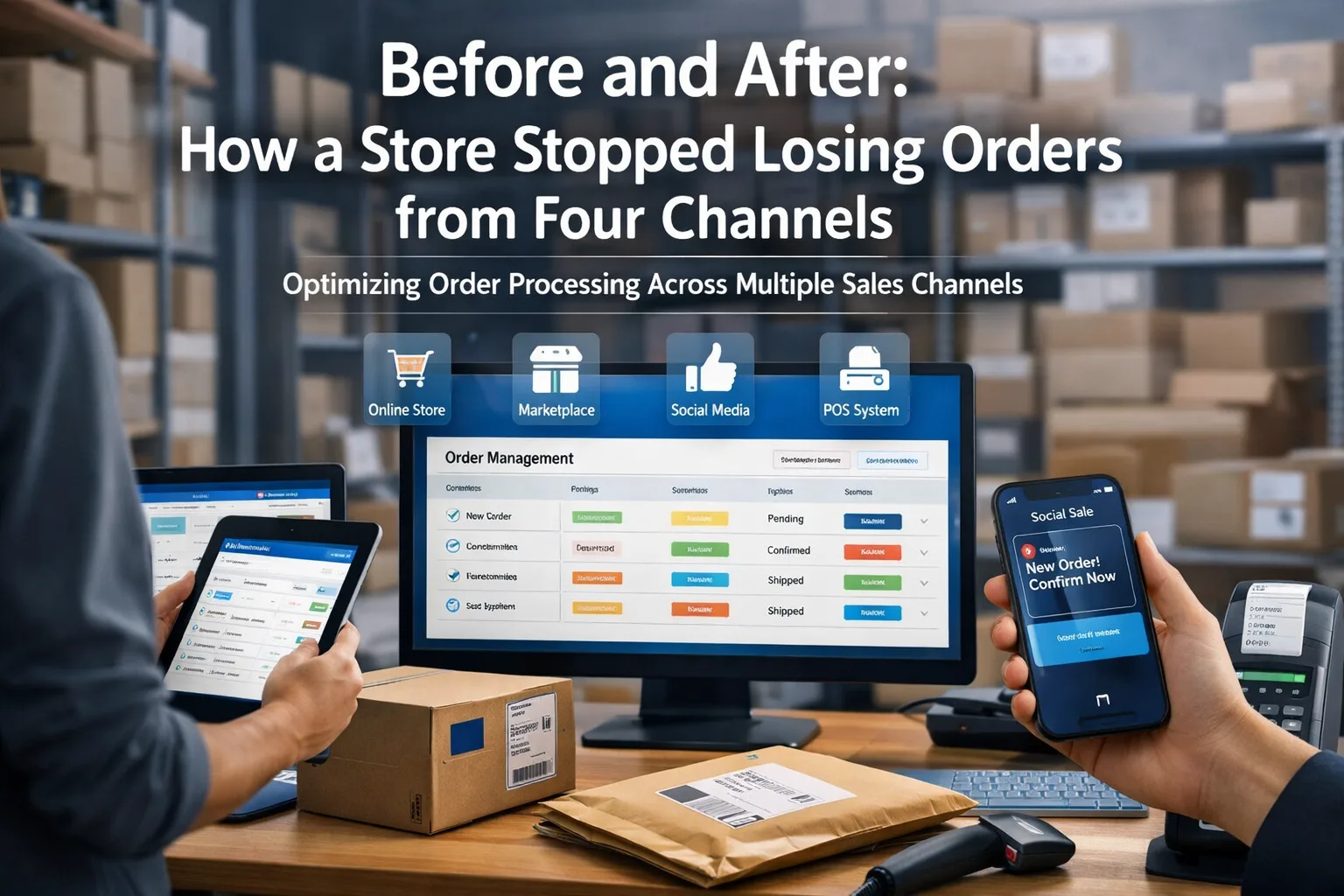
Exploring how businesses can optimize order processing across various channels to minimize the risk of loss.
2026-10-13
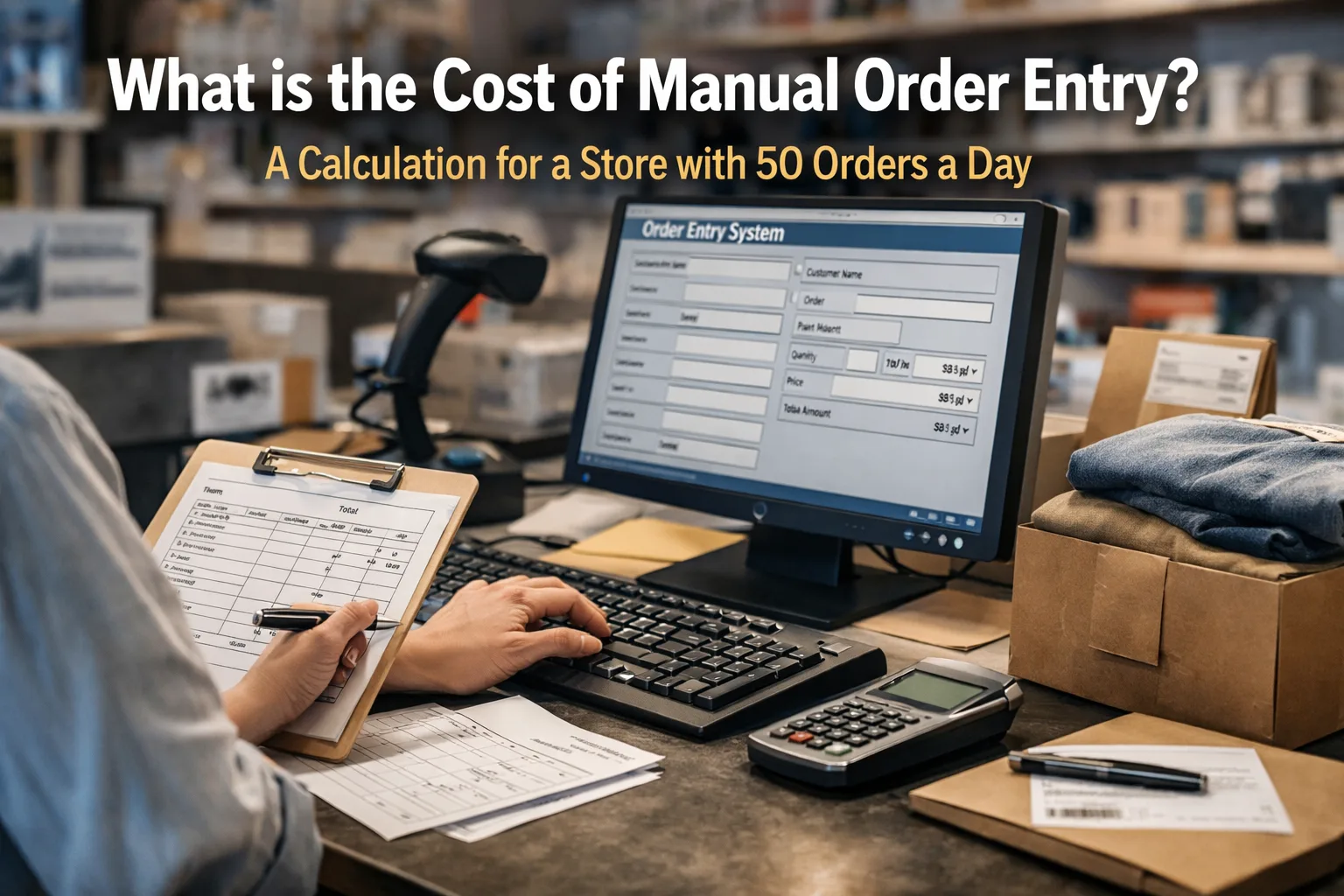
Explore the costs associated with manual order entry in a store processing 50 orders daily and discover potential optimization strategies.
2026-10-12