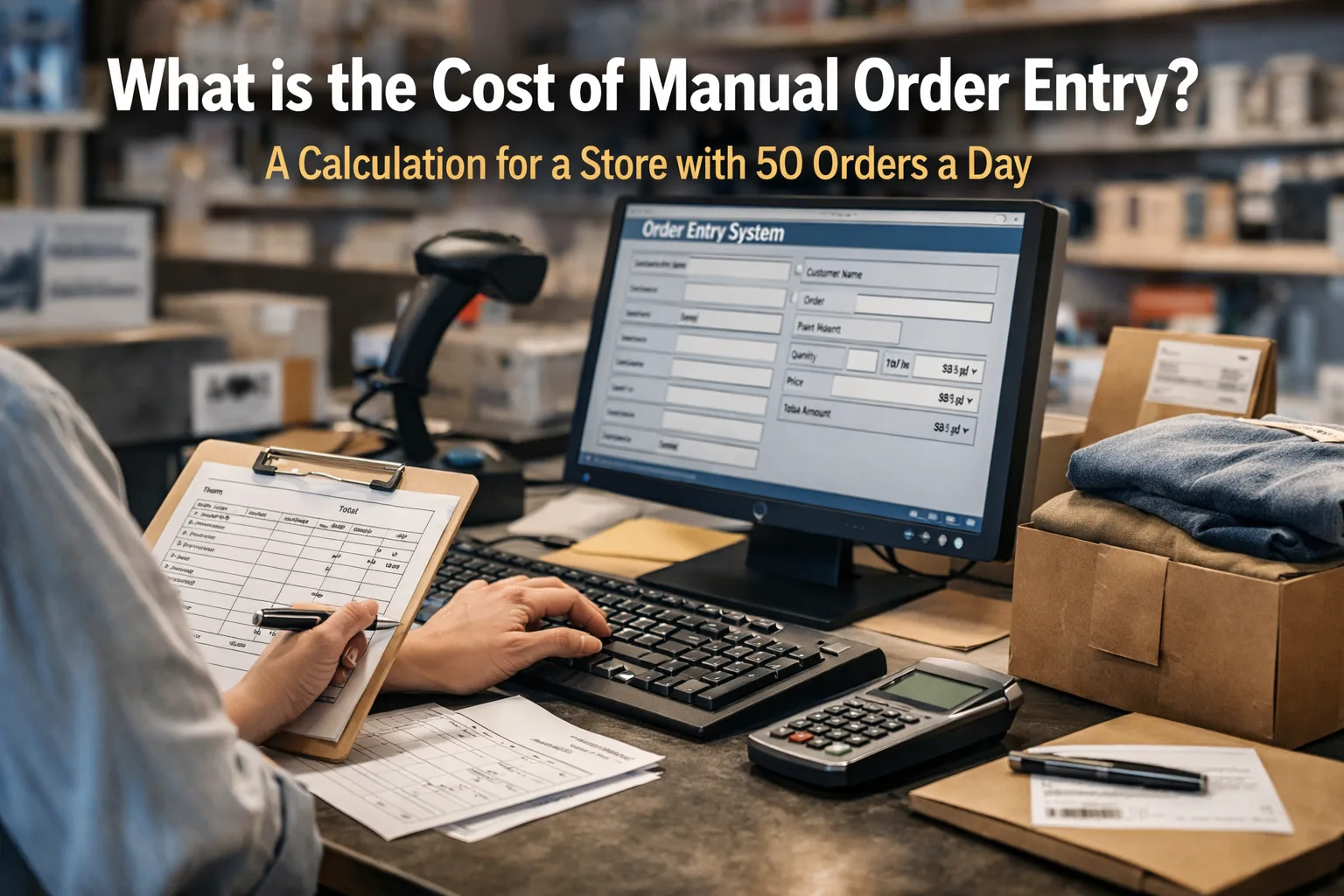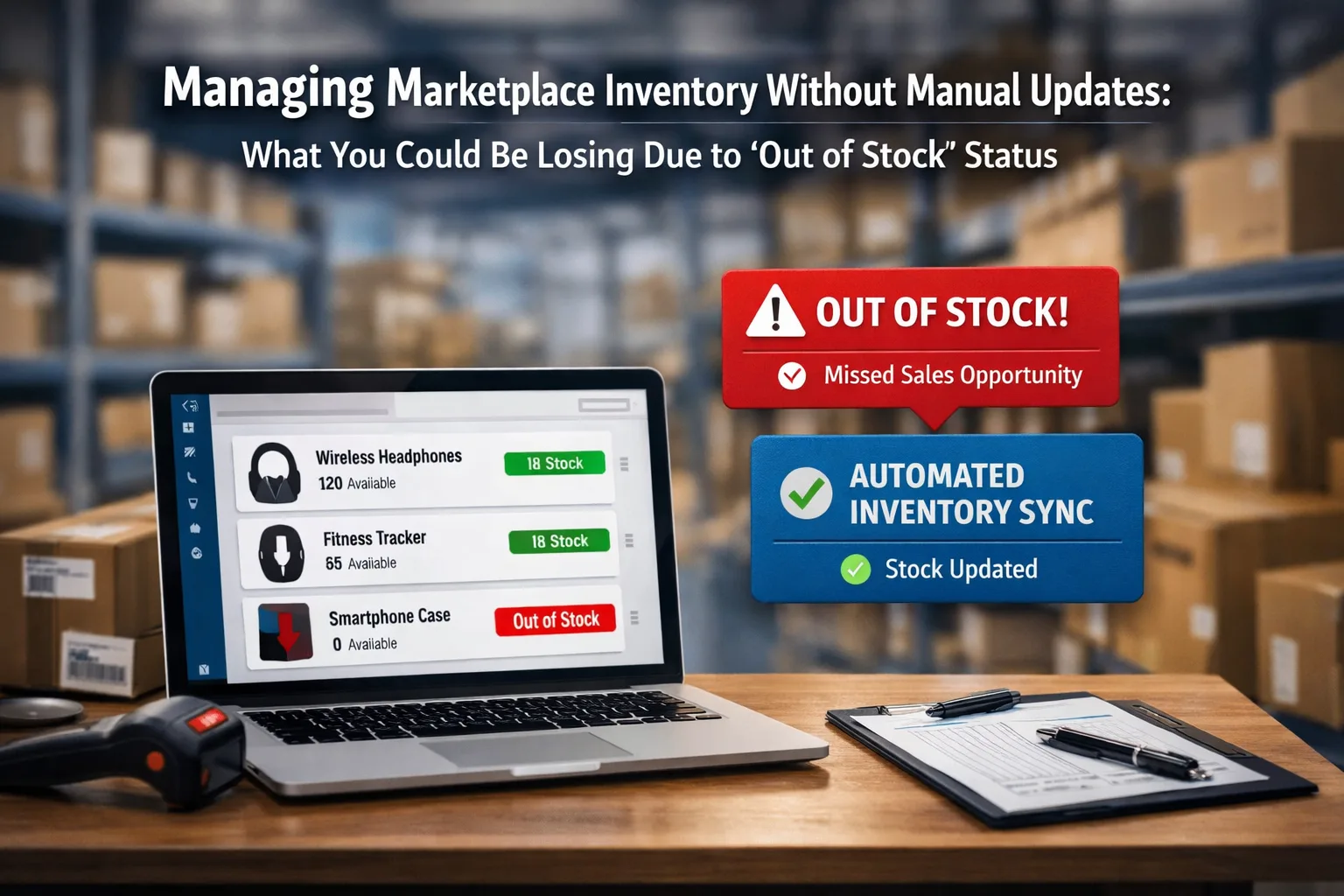
In today’s fast-paced e-commerce landscape, maintaining accurate inventory information is essential for success. When products are listed as 'out of stock', businesses not only miss out on potential sales but also risk damaging customer satisfaction and loyalty. This issue is particularly pronounced for small to medium-sized enterprises (SMEs) that often lack the resources to monitor their inventory constantly. The absence of automation in inventory management not only hampers operational efficiency but also jeopardizes brand reputation.
Inventory on marketplaces without manual updates refers to scenarios where product availability information is not automatically refreshed.
How to Protect Your Email from Phishing: Practical Tips
What does this mean in simple terms?
Inventory on marketplaces without manual updates refers to scenarios where product availability information is not automatically refreshed. This means that items that are actually available for purchase may mistakenly appear as unavailable. Consequently, businesses not only lose sales but also struggle to retain customers, leading to dissatisfaction and a loss of trust in the brand.
Leveraging CRM for Repeat Sales: How to Profit from Existing Customers
How to Choose the Right CRM System for Small Business: Key Criteria
Chatbots vs. Human Managers: 24/7 Customer Support Without Hiring
How does this manifest in real life?

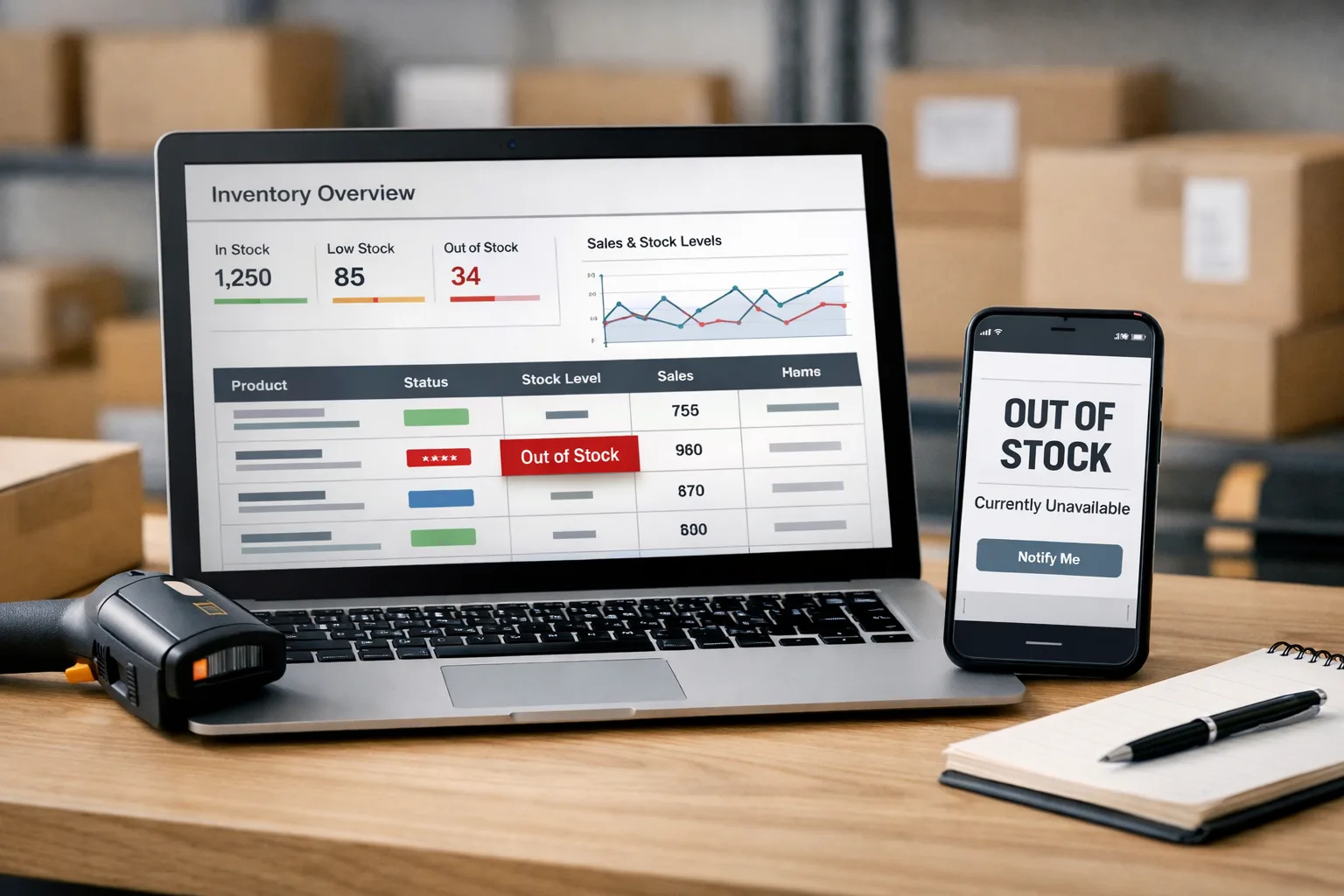
Consider a small online store that specializes in selling electronics. They have a highly sought-after smartphone in their inventory. However, due to the lack of an automated inventory management system, the product status remains 'out of stock' even when a new shipment has arrived. This leads to several significant consequences:
- Loss of potential sales — customers turn to competitors who offer similar products, resulting in lost revenue.
- Deterioration of reputation — frequent 'out of stock' statuses hinder the development of trust in the brand, making customers less likely to return.
- Decline in marketplace rankings — algorithms consider product availability when determining visibility, impacting your inventory's reach.
Why does this happen or what contributes to it?
The primary cause of this issue is the lack of automation in inventory management processes. Many small and medium-sized businesses rely on manual data updates, which can lead to several problems:
- Takes up a lot of time, preventing focus on other critical business areas that require attention.
- Leads to human errors that can have serious consequences for the business, such as incorrect stock levels.
- Makes it difficult to respond quickly to changes in demand, potentially resulting in lost sales opportunities.
Common mistakes or self-sabotaging behaviors
Here are some typical mistakes made by entrepreneurs that contribute to inventory management issues:
- Overreliance on manual monitoring: Many businesses believe they can manage inventory independently, but this leads to delays and errors that are hard to rectify.
- Ignoring data: Neglecting sales analytics can result in inaccurate forecasting of inventory needs, further complicating supply chain management.
- Lack of integrations: Without connections between inventory management systems and marketplaces, maintaining up-to-date data is challenging, negatively impacting sales performance.
What really helps in practice?
Here are several practical steps to improve inventory management and avoid the pitfalls associated with manual updates:
- Automate inventory management: Utilizing software designed for automatic product status updates can significantly reduce risks and errors.
- Integrate with marketplaces: Ensure seamless communication between your inventory management system and sales platforms for accurate data representation.
- Regularly monitor analytics: Use data insights to forecast demand accurately and adjust inventory levels proactively, helping to avoid shortages.
- Engage with suppliers: Build strong partnerships with suppliers for quick restocking during periods of high demand, ensuring you can meet customer needs effectively.
- Test new technologies: Consider implementing artificial intelligence and machine learning solutions to optimize inventory management processes and enhance operational efficiency.
When is expert help needed in security or IT?
Engaging specialists becomes necessary in the following situations:
- When implementing new technologies: If you plan to use complex automation systems or AI, expertise will be required to ensure smooth integration.
- To assess system security: Ensure your new system is protected against external threats to prevent data breaches and loss of sensitive information.
- When integration issues arise: If your systems cannot work together effectively, consulting experts is advisable to resolve these issues swiftly.
Key takeaways
The issue with displaying 'out of stock' statuses can severely impact your business operations and profitability. Automating inventory management is a vital step toward improving efficiency and enhancing customer satisfaction. By involving specialists and utilizing modern technologies, you can significantly reduce risks and losses while ensuring stable growth for your business in a competitive environment.
When to involve security or IT support
Security support becomes important when suspicious signals repeat, affect delivery, or touch accounts, domains, sites, or customer trust.
- spoofing, phishing, spam spikes, or login alerts keep recurring
- mail delivery, domain reputation, or site availability is affected
- logs show unknown devices, unexpected forwarding rules, or suspicious DNS changes
- the issue may involve customer data, credentials, payments, or production systems
If credentials, customer data, or production infrastructure may be exposed, escalate immediately and preserve logs before changing evidence.