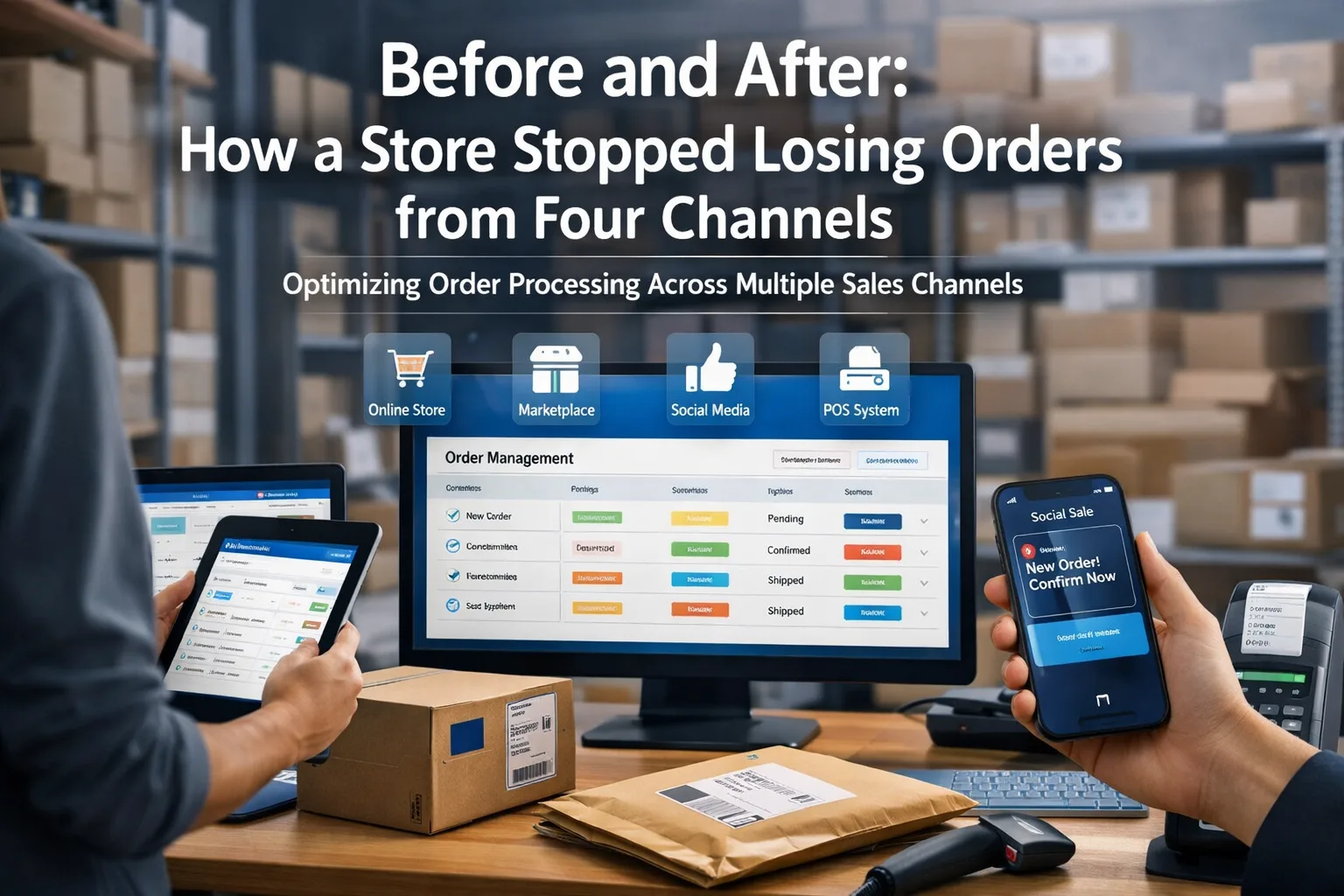
In today's fiercely competitive e-commerce environment, attracting customers is just the initial step; ensuring a smooth order processing experience is equally vital. The challenge of losing orders from various channels poses a significant hurdle for businesses aiming for success. How can this issue be effectively tackled? Let’s explore this in depth.
Losing orders from four channels refers to a scenario where your store fails to effectively process and fulfill orders coming from various platforms, including your website, social media, phone orders, and physical retail locations.
- What Does It Mean in Simple Terms?
- How Does This Manifest in Real Life?
- Why Does This Happen or What Contributes to It?
- Common Mistakes or Self-Destructive Reactions
- What Really Works in Practice?
- When Should You Seek Help from Security or IT Professionals?
- Conclusion or Key Advice
- When to involve security or IT support
What Does It Mean in Simple Terms?
Losing orders from four channels refers to a scenario where your store fails to effectively process and fulfill orders coming from various platforms, including your website, social media, phone orders, and physical retail locations. This oversight can lead to customer dissatisfaction and a decline in revenue. It's crucial to understand that each of these channels has its unique characteristics, making their seamless integration vital for successful business operations.
How to Choose the Right CRM System for Small Business: Key Criteria
How Does This Manifest in Real Life?

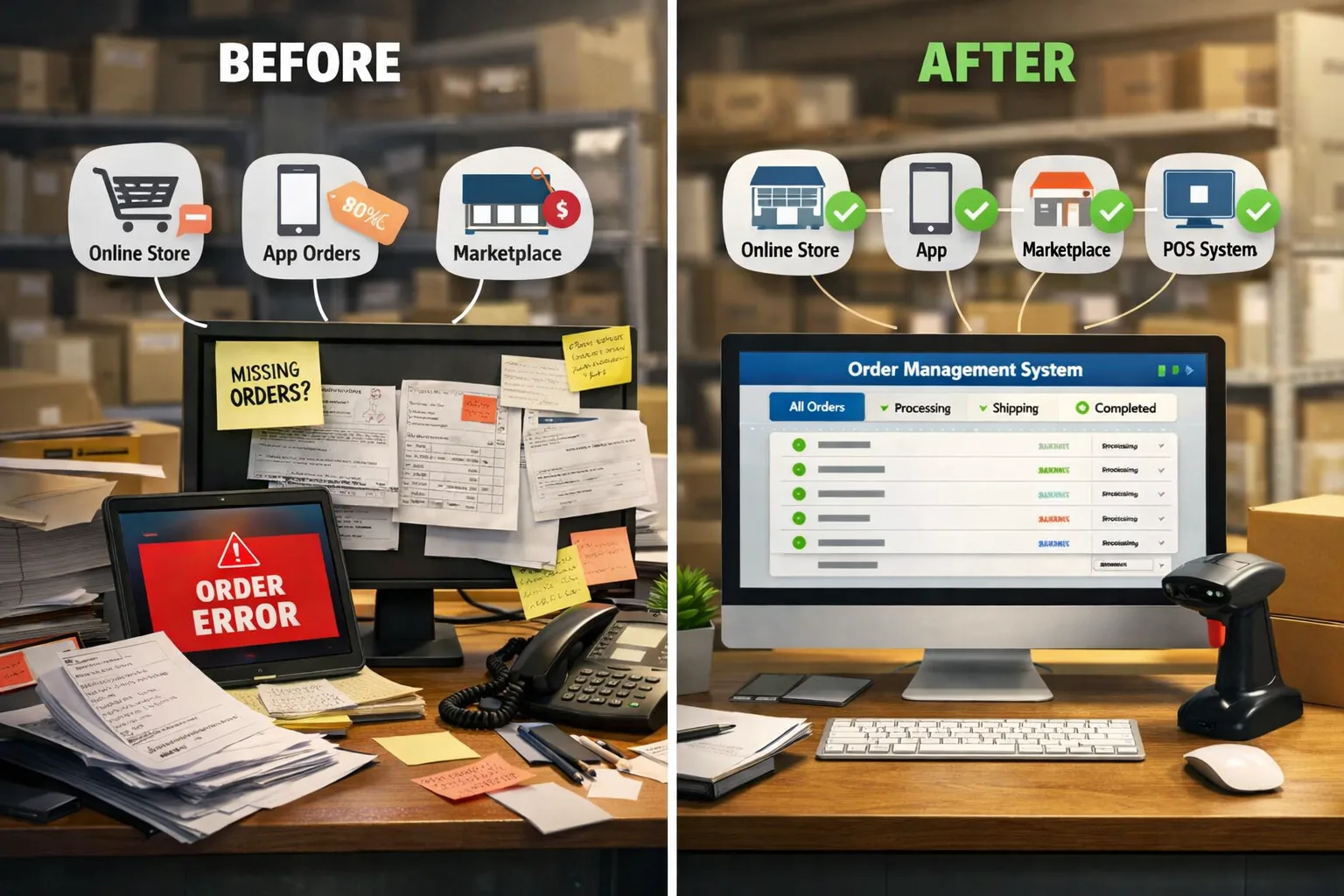
Consider this scenario: your store receives orders through your website, Facebook, phone calls, and in-store transactions. If these channels are not adequately integrated, you may face several issues:
Leveraging CRM for Repeat Sales: How to Profit from Existing Customers
- Duplicate or Missed Orders: A customer might place an order via both the website and phone. If the system fails to track this, it can lead to confusion and dissatisfaction.
- Processing Errors: Orders may be incorrectly processed or lost entirely due to human error, which can severely impact your business's reputation.
- Customer Dissatisfaction: If customers receive notifications about delays or cancellations, they may lose trust in your business, ultimately leading to a decrease in repeat sales.
Why Does This Happen or What Contributes to It?
The primary reasons for order losses include the following:
How to Protect Your Email from Phishing: Practical Tips
- Lack of Automation: Many businesses still rely on manual processes for order management, making them vulnerable to errors and inefficiencies.
- Disintegrated Systems: When sales channels are not interconnected, order information fails to transmit correctly, complicating the processing and fulfillment workflow.
- Poor Staff Training: Employees may not be adequately trained to handle orders from all channels, leading to confusion and mistakes that can affect customer satisfaction.
Common Mistakes or Self-Destructive Reactions
Many businesses encounter common pitfalls that exacerbate the issue of lost orders:
- Ignoring the Problem: Some entrepreneurs may hope that issues will resolve themselves, failing to acknowledge the seriousness of the situation.
- Poor Communication with Customers: A lack of transparency can lead to negative feedback and damaged brand reputation.
- Using Outdated Systems: Order management systems require regular updates and improvements to meet modern demands and ensure efficiency.
What Really Works in Practice?
Here are several effective steps businesses can take to enhance their order processing capabilities:
- Implementing a CRM System: A robust Customer Relationship Management (CRM) system can help integrate all sales channels into a single platform, simplifying order management and tracking.
- Automating Processes: Utilizing software to automate order processing and data reconciliation can significantly reduce the risk of errors and improve efficiency.
- Regular Audits: Conducting regular reviews of your processes allows for necessary adjustments to maintain high service quality and operational effectiveness.
- Staff Training: Providing comprehensive training for employees on new systems and processes ensures they can effectively perform their duties and handle orders accurately.
- Customer Feedback: Actively collecting customer feedback is essential for continuous service improvement and adapting to consumer needs.
When Should You Seek Help from Security or IT Professionals?
If you encounter data security issues or require assistance integrating complex systems, it is advisable to consult professionals. Consider reaching out for help in the following scenarios:
- When Transitioning to a New CRM System: This transition may necessitate specialized knowledge for setup and data protection to prevent information leaks.
- If Suspicious Activities Arise in the System: If you suspect a potential data breach or other security threats, contact IT professionals immediately for prompt action.
Conclusion or Key Advice
Optimizing order processing is crucial for enhancing your business's overall performance. Investing in automation and system integration helps prevent losses and improves customer satisfaction. Regularly reviewing and refining your processes is essential for staying competitive. For expert guidance on automating your processes and enhancing your business's security, feel free to reach out to TanSecure.
When to involve security or IT support
Security support becomes important when suspicious signals repeat, affect delivery, or touch accounts, domains, sites, or customer trust.
- spoofing, phishing, spam spikes, or login alerts keep recurring
- mail delivery, domain reputation, or site availability is affected
- logs show unknown devices, unexpected forwarding rules, or suspicious DNS changes
- the issue may involve customer data, credentials, payments, or production systems
If credentials, customer data, or production infrastructure may be exposed, escalate immediately and preserve logs before changing evidence.