Online store owners often underestimate the costs associated with website downtime. Each day your site is inaccessible can lead to significant financial losses. In this article, we will examine how much an online store can lose in a single day of downtime, common causes of such incidents, and ways to avoid them.
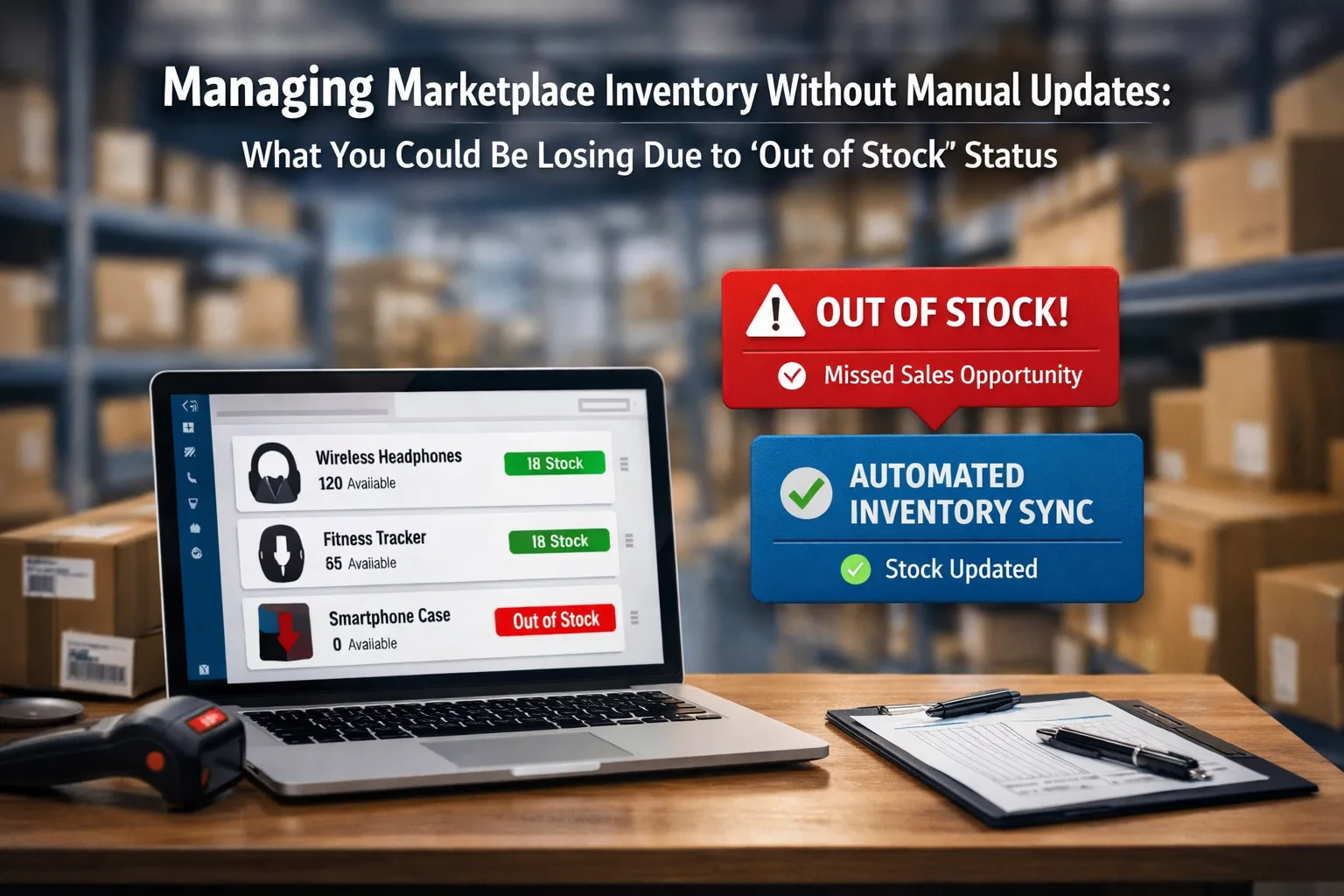
Managing Marketplace Inventory Without Manual Updates: What You Could Be Losing Due to 'Out of Stock' Status On average, an online store's revenue can decrease by 5-10% for every hour of downtime.
What is a day of website downtime?
A day of website downtime refers to the period during which your online store is unavailable to users. This can result from various technical failures, hosting issues, or cyberattacks. It's crucial to understand that every hour of downtime not only means lost potential sales but also harms your business's reputation. Losing access to your website can negatively affect customer trust in your brand, as constant availability is a key factor in today's e-commerce landscape.
Choosing the Right CRM System for Small Business: Key Criteria
How does this manifest in real life?


Let’s consider a few scenarios:
Leveraging CRM for Repeat Sales: How to Profit from Existing Customers
- Technical failures: For instance, you may face server issues during a promotional sale. This could result in thousands of dollars lost due to unsold products. Such problems often arise from server overload, especially during major sales or holidays.
- Cyberattacks: Your website might fall victim to a DDoS attack, rendering it inaccessible for several hours. These attacks can be aimed at damaging your reputation or extorting money for restoring access.
Why does it happen?

The primary reasons for website downtime include:
Chatbots on Your Website: 24/7 Customer Support and Automated Lead Collection
- Poor hosting choices: Cheap hosting plans may not handle traffic spikes during peak hours. It's essential to choose reputable hosting providers with reliable support.
- Lack of backups: If your site is hacked or damaged, recovery can take a long time. Regular backups can safeguard your data and allow for quick restoration.
- Insufficient testing: Regularly testing updates and new features helps prevent unexpected issues. It’s important to conduct tests on staging servers before implementing changes on the live site.
Common mistakes or self-sabotaging reactions
Many online store owners respond incorrectly to downtime. Here are some common mistakes:
- Delaying problem resolution: Waiting too long to address technical issues can be fatal. A swift response can minimize their impact on your business.
- Ignoring website monitoring: Without monitoring, you won’t learn about problems until they become critical. Utilizing monitoring systems allows you to stay informed about your site's status in real-time.
What really helps in practice?
Here are some practical recommendations to prevent downtime:
- Selecting reliable hosting: Invest in quality hosting with a good reputation. Compare different plans and reviews before choosing a provider.
- Regular backups: Set up automatic backups for your site data. This ensures that your data is preserved in case of failure.
- Availability monitoring: Use services to monitor your website's uptime. This will allow you to receive notifications about issues in real-time.
- Disaster recovery plan: Develop a plan of action in case of system failure. This will help you respond quickly to problems and minimize losses.
- Testing before implementing changes: Always test new features on a staging server before launching them on the live site. This helps avoid unforeseen situations.
Final thoughts
Website downtime is a serious issue for any online store. Understanding the causes and implementing practical measures can significantly reduce risks. Pay attention to proper monitoring and backups—they are your insurance against financial losses. Stay proactive in addressing issues to keep your business afloat even in the toughest situations.
The financial implications of downtime extend beyond immediate losses; they can also lead to long-term customer dissatisfaction and reduced loyalty. In today’s competitive e-commerce environment, maintaining a reliable online presence is essential. Therefore, investing in robust infrastructure and proactive strategies is crucial for sustaining your business's success.
Furthermore, consider integrating redundancy into your systems. This means having backup servers or alternative hosting solutions ready to take over if your primary system fails. By doing so, you can minimize the impact of any single point of failure.
Regularly reviewing your website's performance and conducting audits can also help identify potential vulnerabilities before they become significant issues. This proactive approach allows you to stay ahead of problems and maintain a seamless shopping experience for your customers.
In summary, the cost of downtime is substantial and multifaceted. By understanding its implications and taking preventive measures, online store owners can safeguard their revenue and reputation. The key lies in being prepared, responsive, and committed to maintaining an uninterrupted online presence.
When to involve security or IT support
Security support becomes important when suspicious signals repeat, affect delivery, or touch accounts, domains, sites, or customer trust.
- spoofing, phishing, spam spikes, or login alerts keep recurring
- mail delivery, domain reputation, or site availability is affected
- logs show unknown devices, unexpected forwarding rules, or suspicious DNS changes
- the issue may involve customer data, credentials, payments, or production systems
If credentials, customer data, or production infrastructure may be exposed, escalate immediately and preserve logs before changing evidence.