
In today's fast-paced business landscape, timely communication with customers is not just an advantage; it is crucial for survival. A chatbot on your website that offers 24/7 responses and automatically collects inquiries is quickly becoming an essential tool for small and medium-sized enterprises (SMEs). Not only does it enhance service levels, but it also saves valuable time and resources. With a chatbot, your business can operate around the clock, ensuring continuous engagement with customers and addressing their needs promptly.
With a chatbot, your business can operate 24/7, ensuring ongoing communication with customers. This article will delve into the effects of chatbots on business processes, the mistakes to steer clear of during their implementation, and when it’s advisable to engage security and IT specialists.
How Can CRM Features Boost Your Team's Productivity?
This article will delve into the effects of chatbots on business processes, the mistakes to steer clear of during their implementation, and when it’s advisable to engage security and IT specialists. Chatbots have already become a key component of many companies' strategies aimed at enhancing customer interaction and optimizing operations.
Choosing the Right CRM System for Small Business: Key Criteria
- What is a Chatbot in Simple Terms?
- How Does This Manifest in Real Life?
- What Drives This Technology?
- Common Mistakes or Self-Destructive Reactions
- What Truly Works in Practice?
- When Is Expert Help Needed in Security or IT?
- Conclusion or Key Takeaway
- When to Engage Security or IT Professionals
- When to involve security or IT support
What is a Chatbot in Simple Terms?
A chatbot is software designed to simulate human conversation through text or voice messages. It can answer user questions, assist with product or service selection, and collect inquiries and feedback. Implementing a chatbot allows businesses to automate routine tasks and improve customer interaction, thereby enhancing overall efficiency.
How to Protect Your Email from Phishing: Practical Tips
How Does This Manifest in Real Life?

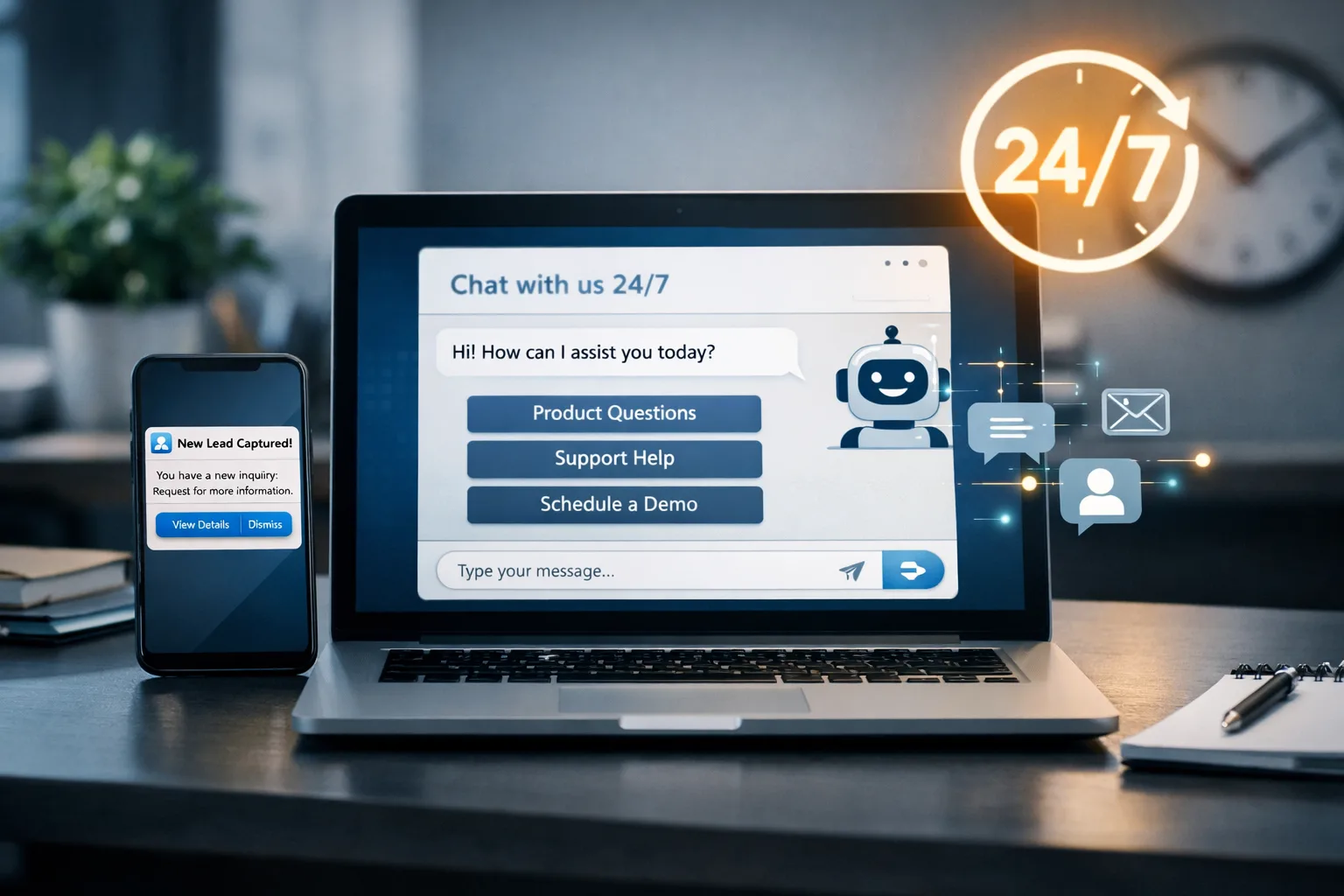
Chatbots have gained immense popularity due to their capability to respond quickly to inquiries. For instance, imagine a potential customer visiting your website at 2 AM. They have a question about a product but cannot reach your sales team. The chatbot instantly addresses their query, providing all necessary information. This not only increases the chances of a sale but also fosters a positive image of your company.
Another example is in e-commerce. A chatbot can assist customers in finding the right product, placing an order, and even providing updates on delivery status. This simplifies and accelerates the purchasing process. Customers appreciate the ability to get answers to their questions at any hour, significantly enhancing their satisfaction.
What Drives This Technology?
The advancement of artificial intelligence (AI) and machine learning technologies has enabled chatbots to become increasingly intelligent and adaptive. They can analyze user behavior and adjust their responses accordingly. This means that over time, a chatbot will become even more beneficial for your customers. For example, through data analysis, a chatbot can offer personalized recommendations, increasing the likelihood of a purchase.
Moreover, growing competition in the business environment compels companies to seek new ways to enhance customer service. Chatbots are becoming a vital part of digital transformation strategies, allowing businesses to stay ahead of their competitors.
Common Mistakes or Self-Destructive Reactions
While implementing a chatbot can bring numerous advantages, there are mistakes to avoid:
- Insufficient Configuration: If the bot is not set up correctly, it may provide incorrect answers or fail to respond altogether. This can lead to customer frustration.
- Lack of Human Touch: Some situations require the intervention of a live manager. Ignoring this aspect can result in negative customer experiences.
- Poor Platform Choice: Not all chatbot platforms are created equal. It's important to choose one that best meets your business needs and has the necessary integration features.
What Truly Works in Practice?
Here are several practical steps for successfully implementing a chatbot:
- Define Goals: Clearly articulate what tasks your chatbot should accomplish—whether it's increasing sales, providing customer support, or gathering feedback. This will guide its functional development.
- Test and Improve: Regularly check the bot's performance and refine its capabilities based on user feedback. This will help adapt the chatbot to changes in customer behavior.
- Integrate with CRM: Link the chatbot with your customer relationship management system for better data collection and inquiry management.
- Offer Alternatives: Always provide an option for customers to reach a live manager if needed. This will enhance trust in your service.
- Analyze Results: Use analytical tools to assess the bot's effectiveness. This will help identify weaknesses and improve overall service.
When Is Expert Help Needed in Security or IT?
Engaging specialists is necessary in the following cases:
- Integrating New Technologies: If you plan to integrate a chatbot into an existing security system or CRM, experts can help avoid mistakes.
- Ensuring Data Protection: If the chatbot handles sensitive information (such as personal data), it's crucial to ensure high security standards.
- Regular Security Audits: Conduct audits of the chatbot's security to identify potential vulnerabilities. This will help mitigate risks promptly.
Conclusion or Key Takeaway
A chatbot on your website that responds to customers 24/7 and collects inquiries automatically is a powerful tool for enhancing customer service and optimizing business processes. However, it's important to avoid common mistakes and understand when to involve specialists to ensure security and efficiency. By implementing these recommendations, you can maximize the benefits of using a chatbot in your business.
When to Engage Security or IT Professionals
Technical support is necessary when suspicious signals recur, affecting email delivery or impacting accounts, domains, websites, or customer trust.
- Phishing, spoofing, spam spikes, or repeated login alerts
- Email deliverability issues, domain reputation problems, or website accessibility concerns
- Logs showing unknown devices, unexpected forwarding rules, or DNS changes
- Incidents potentially involving client data, credentials, payments, or production systems
If there’s a chance that credentials, client data, or production infrastructure could be compromised, escalate immediately and preserve logs before any changes.
When to involve security or IT support
Security support becomes important when suspicious signals repeat, affect delivery, or touch accounts, domains, sites, or customer trust.
- spoofing, phishing, spam spikes, or login alerts keep recurring
- mail delivery, domain reputation, or site availability is affected
- logs show unknown devices, unexpected forwarding rules, or suspicious DNS changes
- the issue may involve customer data, credentials, payments, or production systems
If credentials, customer data, or production infrastructure may be exposed, escalate immediately and preserve logs before changing evidence.