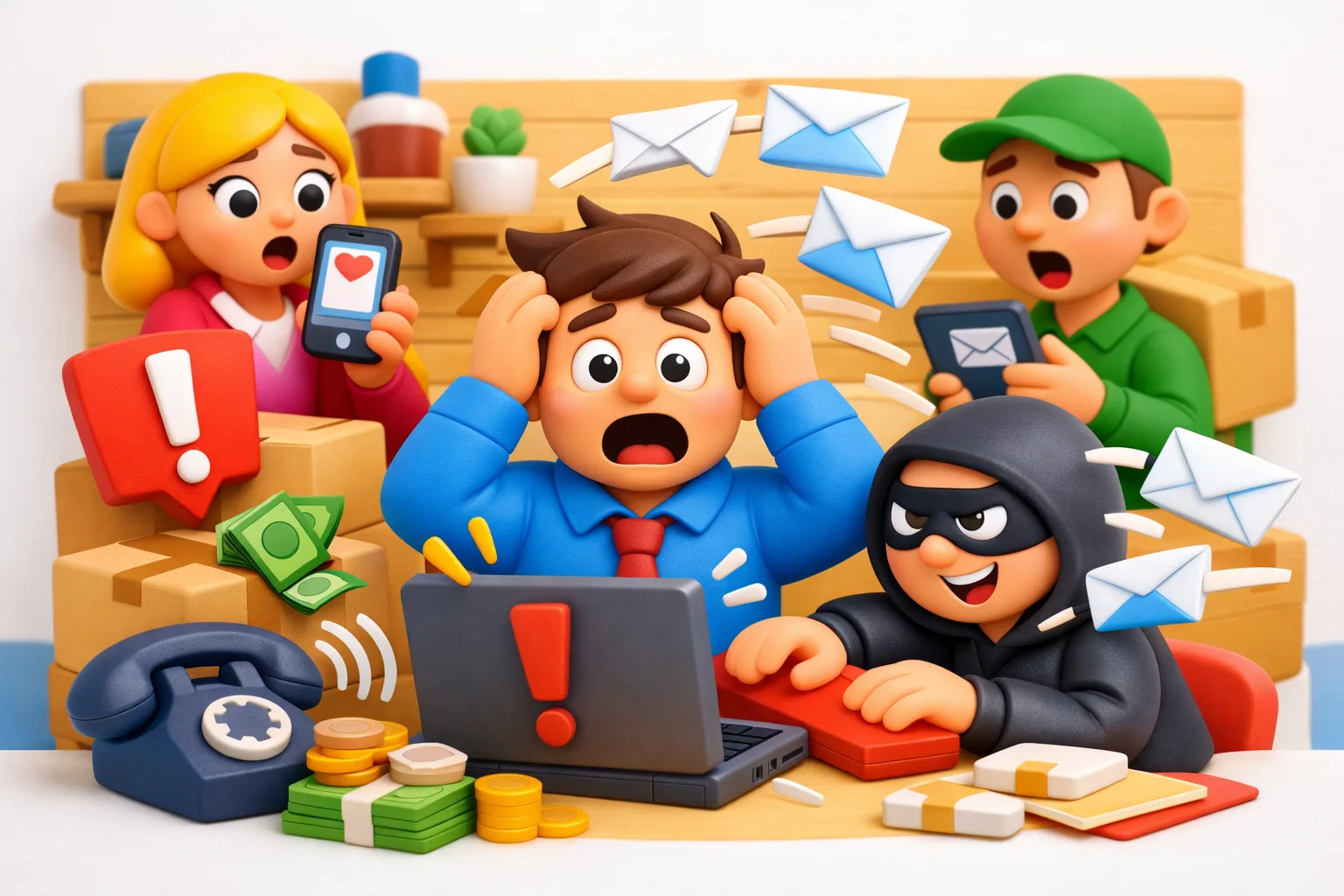
When someone starts sending emails pretending to represent your company, it can lead to significant consequences. These include loss of customer trust, financial damage, and even potential legal issues arising from fake invoices or spam. In this article, we will discuss how to recognize and prevent such incidents, as well as how technologies like DMARC can help safeguard your business.
How to Protect Your Email from Phishing: Practical Tips What is it in simple terms Email spoofing occurs when cybercriminals send emails that appear to originate from your company or its employees.
What is it in simple terms
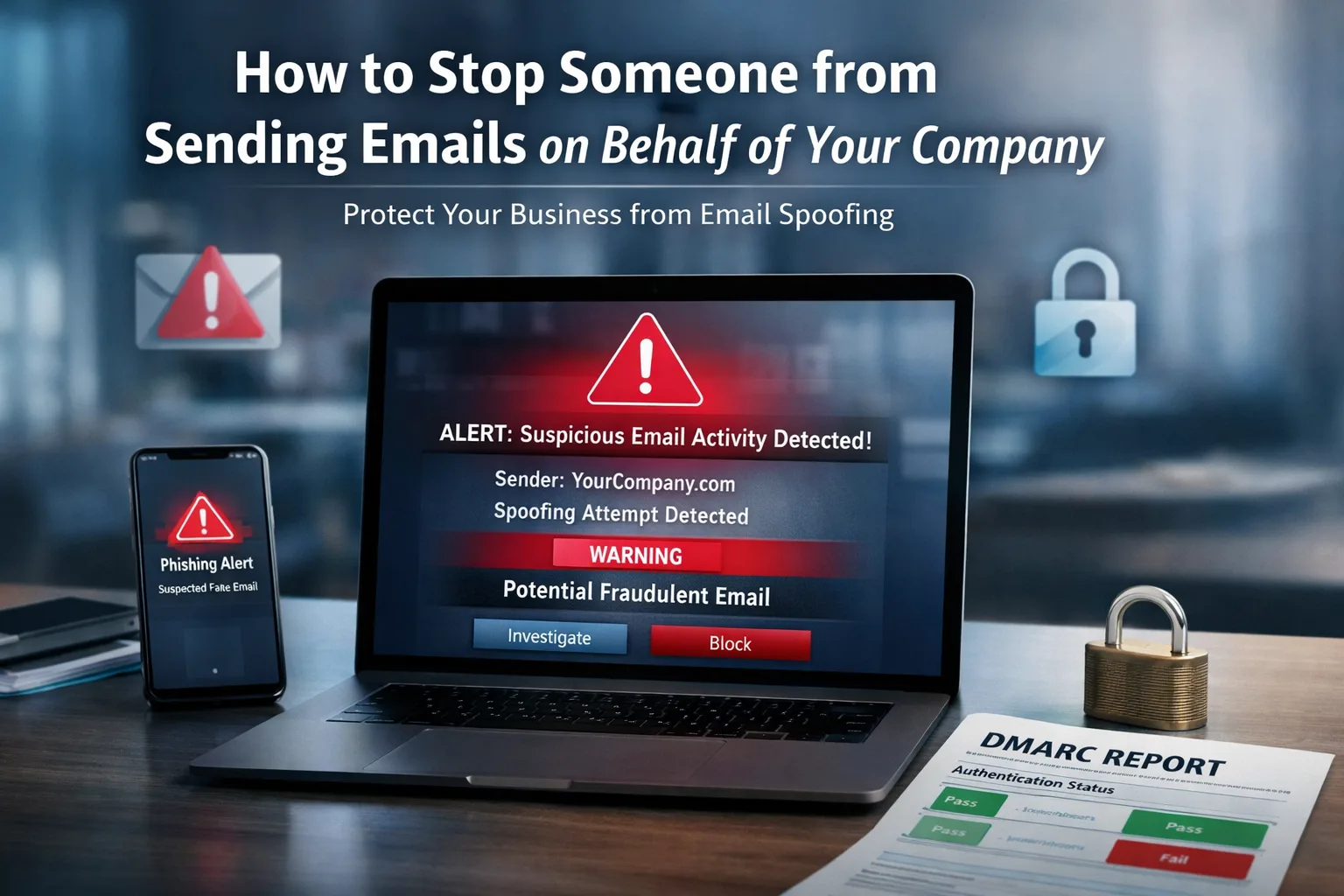
Email spoofing occurs when cybercriminals send emails that appear to originate from your company or its employees. This tactic is often employed for financial scams or to gather confidential information. For instance, you might receive an email containing a fake invoice or a request for an urgent money transfer. These fraudulent communications can severely impact your business’s operations and reputation.
Which CRM Features Make Your Team More Productive: What Actually Saves Time
For more information on protecting your email from phishing, check out our Practical Tips for Email Protection.
How it manifests in real life
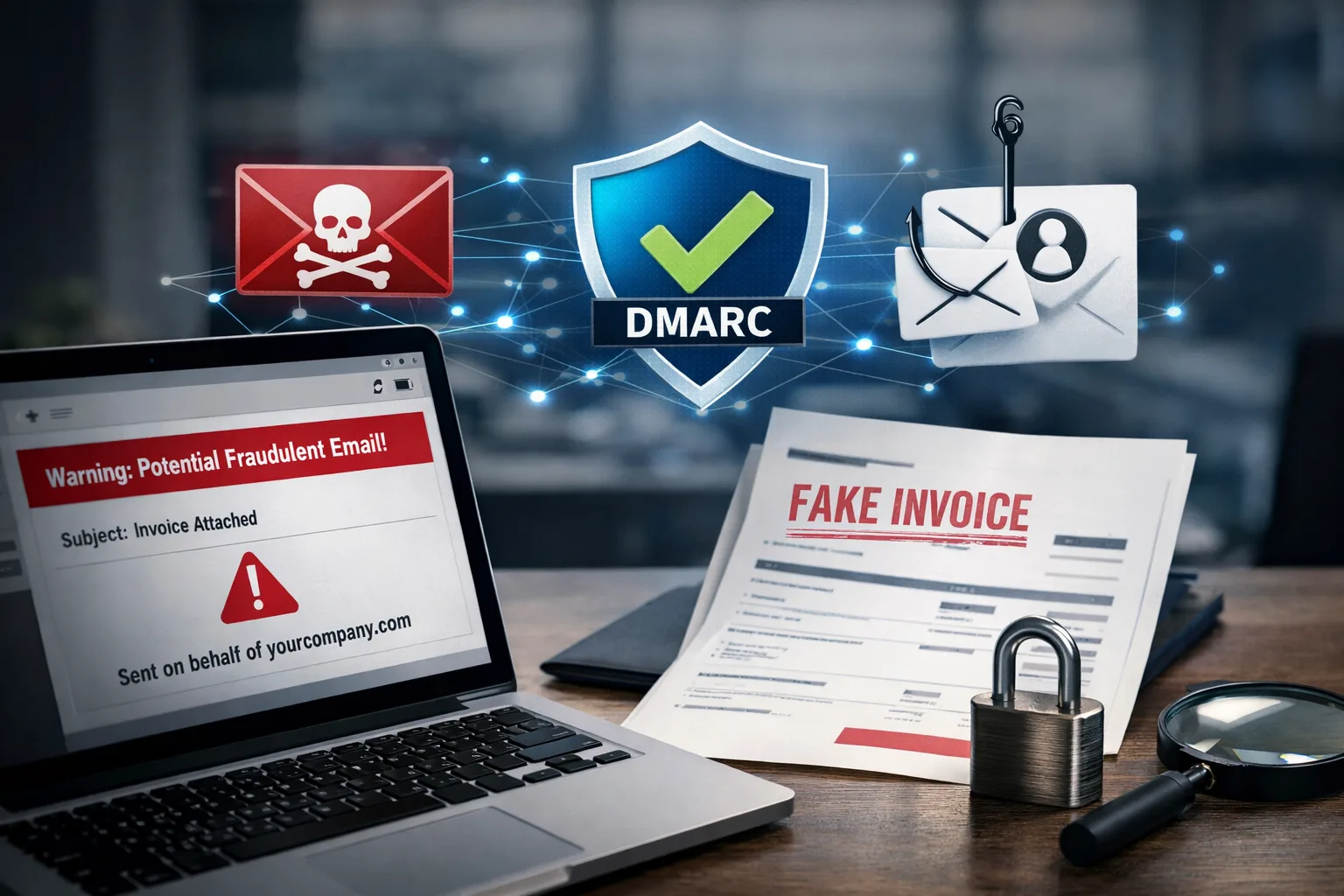
Consider this scenario: your accountant receives an email urgently requesting payment for an invoice totaling several thousand dollars. The email features your company's logo and appears legitimate. Consequently, the accountant processes the payment, but the funds end up in the hands of fraudsters. This not only results in financial losses but also poses a risk to the company's reputation.
Another troubling example involves receiving fake requests for sensitive personal information about your employees. Cybercriminals may pose as HR or management, soliciting passwords or credit card details. These situations underscore the critical need for robust information security protocols and employee training.
To delve deeper into the impact of spam emails on business, read our article on Spam Emails and Their Business Impact.
Why it happens or what contributes to it
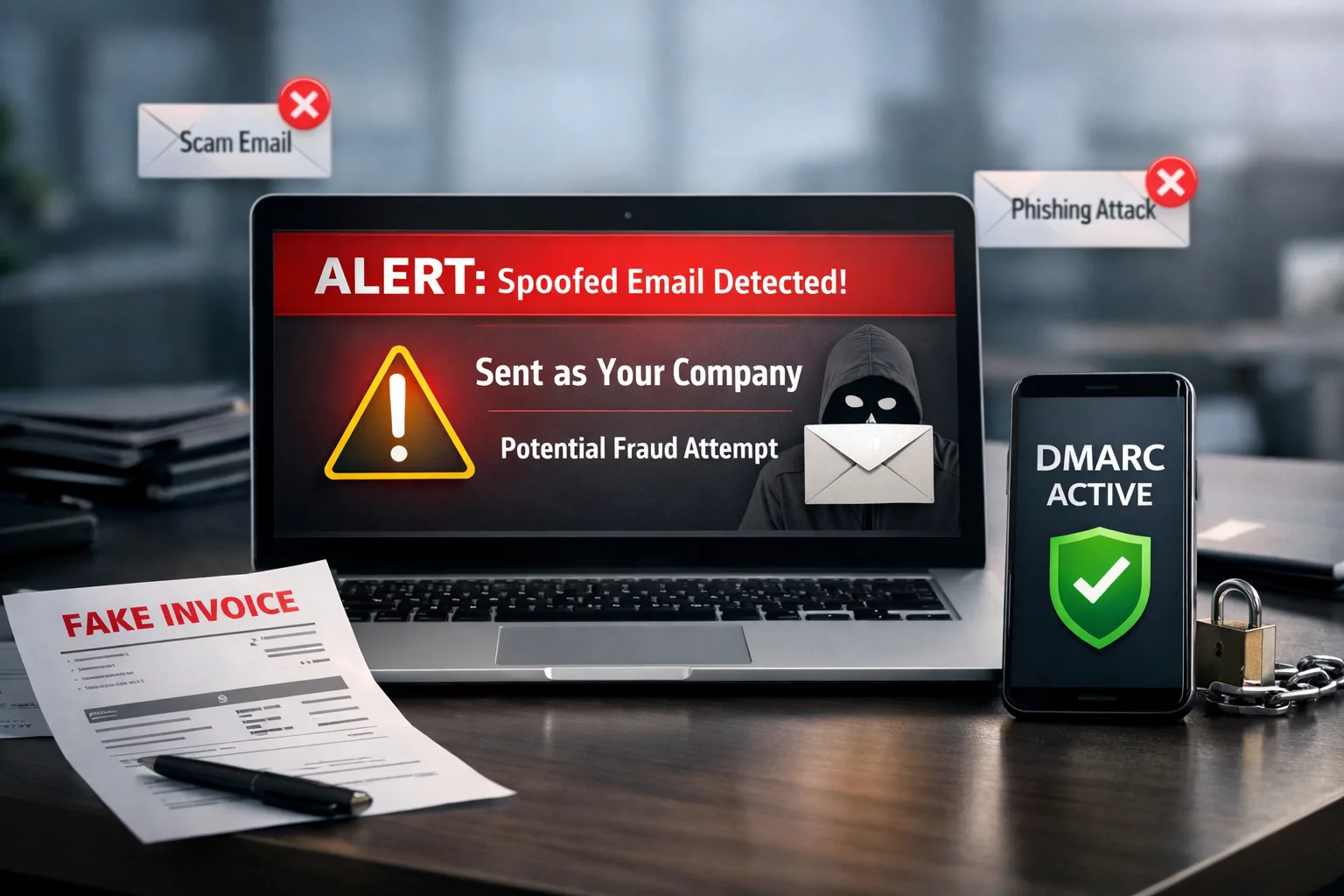
Several factors contribute to the prevalence of email spoofing:
- Poor email configurations: Many companies do not implement essential authentication mechanisms like SPF (Sender Policy Framework) and DKIM (DomainKeys Identified Mail), leaving them vulnerable to attacks.
- Lack of DMARC: DMARC (Domain-based Message Authentication, Reporting & Conformance) is a technology that helps protect domains from unauthorized use by preventing email spoofing.
- Easy access to information: Fraudsters often employ social engineering tactics to gather data about your company, enabling them to craft more convincing attacks.
Common mistakes
Many organizations make similar errors when attempting to protect themselves from email spoofing:
- Ignoring email security: A lack of awareness regarding the dangers of email spoofing can lead companies to neglect necessary preventive measures.
- Insufficient employee education: Employees must be trained to recognize suspicious emails and understand the appropriate actions to take when they encounter them.
- Outdated security systems: Relying on old software versions can increase your company's vulnerability to attacks.
What actually helps in practice
To effectively protect your company from email spoofing, consider implementing the following measures:
- Implementing DMARC: This is the most effective way to protect your domain from spoofing. DMARC allows you to specify which emails are permitted to be sent from your domain, enhancing your control over email communications.
- Setting up SPF and DKIM: These technologies help verify that your emails are genuinely sent from your domain, significantly reducing the risk of forgery.
- Regular employee training: Conducting workshops and training sessions on safe email usage increases employee awareness of potential threats and equips them with the knowledge to respond appropriately.
- Monitoring domain activity: Utilize tools to check for unauthorized emails being sent in your name, allowing for timely responses to potential threats.
- Establishing internal security policies: Develop clear procedures for handling suspicious emails and outline actions to take in case of fraud detection.
Brief conclusion
Protecting against email spoofing is a crucial aspect of maintaining your company's security. By employing DMARC and other authentication methods, you can significantly reduce the risks of fraud and unauthorized communications. Additionally, investing in regular employee training and monitoring domain activity will not only safeguard your business but also help maintain your customers' trust in your brand.
When to involve security or IT support
Security support becomes important when suspicious signals repeat, affect delivery, or touch accounts, domains, sites, or customer trust.
- spoofing, phishing, spam spikes, or login alerts keep recurring
- mail delivery, domain reputation, or site availability is affected
- logs show unknown devices, unexpected forwarding rules, or suspicious DNS changes
- the issue may involve customer data, credentials, payments, or production systems
If credentials, customer data, or production infrastructure may be exposed, escalate immediately and preserve logs before changing evidence.